
Yes. Using ChatGPT or similar AI tools is not unethical in itself. ABA Formal Opinion 512 (2024) and many state bars accept that lawyers may use generative AI, provided they understand the tool, protect client confidentiality (avoiding consumer accounts for client data and getting informed consent where needed), verify every output before relying on it, communicate with clients when required, supervise its use, and bill only for actual time. The ethical risk lies in how the tool is used, not in using it.
The answer: yes, if
There is no rule that forbids lawyers from using ChatGPT, Claude, Gemini, Copilot or any other generative AI tool. The American Bar Association’s Formal Opinion 512, issued July 29, 2024, takes a permissive position: lawyers can use these tools to serve clients well, as long as they meet the professional obligations they already have. State bars that have issued guidance broadly agree.
What makes AI use ethical or unethical is how you use it. Six duties apply.
The six duties, in one sentence each
- Competence. Understand what the tool can and cannot do, and check its output to a degree that fits the task.
- Confidentiality. Do not expose client information; read the tool’s terms and get informed consent before putting confidential information into tools that may learn from it.
- Communication. Tell clients about AI use when they ask, when your engagement terms require it, when consent is needed, or when AI output drives a significant decision.
- Candor. Never give a court false or unverified law or facts.
- Supervision. If you manage people, set policies and train them, and vet vendors.
- Fees. Bill only actual time on hourly work and do not charge clients to learn general tools.
For the detail, read ABA Formal Opinion 512 explained.
Where lawyers actually get into trouble
The disciplinary and sanctions record is consistent. Lawyers get into trouble when they:
- File citations they never checked. From Mata v. Avianca (S.D.N.Y. 2023) to the Sixth Circuit’s 2026 decision in Whiting v. City of Athens, courts sanction the failure to verify. See the sanctions tracker.
- Are not candid when caught. Several of the harshest outcomes, including the Nebraska Supreme Court’s 2026 suspension, followed initial denials.
- Put client data in the wrong place. Consumer accounts and unknown tools can expose confidential information.
None of these problems is solved by avoiding AI entirely. They are solved by habits.
Five rules for using ChatGPT ethically
- Use the right plan. Client work belongs on business or enterprise plans whose terms prohibit training on your data, not personal accounts.
- Minimise and anonymise. Input only what the task needs. Strip names and identifiers with a tool like our Confidentiality Redactor.
- Prompt with guardrails. Tell the tool not to invent citations and to flag uncertainty. Our Legal Prompt Builder adds these automatically.
- Verify every authority. Find each case in a trusted database, read the passage relied on, and check its history. Use the AI Citation Checker to build the list.
- Know your local rules. Check your state’s guidance and judges’ standing orders with the State Bar AI Guidance Navigator.
What about ChatGPT for legal research?
ChatGPT can help you frame issues, generate search terms, explain unfamiliar areas and summarise documents you provide. It is not a legal research database, and it can produce convincing citations to cases that do not exist. For authority you will rely on, use a research platform and read the sources yourself. We compare options in AI for legal research.
The bottom line
Ethical AI use looks a lot like ethical practice generally: know your tools, protect your clients, check your work, be honest with courts and clients, supervise your team and charge fairly. Lawyers who build those habits can use ChatGPT confidently. Those who skip them are taking a risk the courts have made very clear.
Sources
Frequently asked questions
Can I put client information into ChatGPT?
Not into a personal or free account. For client work, use a business or enterprise plan whose terms prohibit training on your data, minimise what you input, and get informed client consent where a tool may learn from or expose confidential information, as ABA Opinion 512 indicates.
Have lawyers been disciplined for using ChatGPT?
Lawyers have been sanctioned and disciplined for filing fabricated AI-generated citations and for being dishonest about it, starting with Mata v. Avianca in 2023. The problem in those cases was the failure to verify, not the use of ChatGPT itself.
Is it unethical not to use AI?
No rule requires lawyers to use AI. But competence includes keeping abreast of the benefits and risks of relevant technology, and some commentators argue that ignoring efficient tools may affect what fees are reasonable over time.
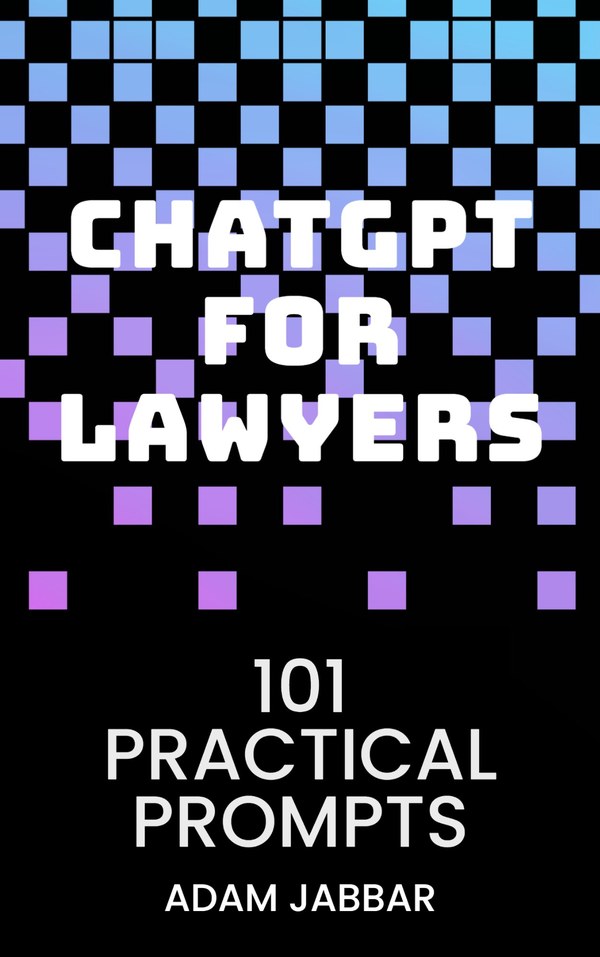
ChatGPT for Lawyers: 101 Practical Prompts
The book that started it all. Published in March 2023, when most lawyers were still reluctant, and still the gentlest way in for anyone new to AI.
See it on AmazonTurn reading into a skill
Take the free 7-lesson course and earn a shareable certificate.
This article is general educational information, not legal advice. Rules differ by jurisdiction and change often; check the primary sources and your own professional rules before relying on it.